

2026 SPEAKERS


Drug Development remains one of the most complex and resource-intensive research activities in modern science, requiring the orchestration of heterogeneous activities from patient stratification, multi-domain analysis, to regulatory writing, often across siloed teams. Recent advances in artificial intelligence have enabled advances in medical imaging, the orchestration of multi-modal, multi-agentic systems, or voice-based conversational AI. The talk explores how NVIDIA’s accelerated computing platform empowers these advances to move beyond siloed workflows toward a unified, AI-driven "factory" for clinical innovation, and how NVIDIA’s expansive partner eco-systems utilizes these to accelerate drug development.


Kaspar Sutter, State Councillor and elected Head of the Department of Economic, Social and Environmental Affairs, will deliver the official welcome address on behalf of the Government of the Canton of Basel-Stadt at the close of Day 1 of the health.tech global summit in Basel.

Stage Host


Sharing of end user perspective on the use of organs-on-chips/NAMs in the pharmaceutical industry: opportunities and challenges

This session presents the necessary shift in healthcare, from one-size-fits-all approaches to personalized, risk-based medicine. We are entering an era where diseases can be predicted years before symptoms appear, enabling early action and often prevention. This transformation affects the entire care ecosystem: health organizations can allocate resources more effectively, clinicians can focus on maintaining health rather than just treating illness, and patients can take an active role in their own care. The goal is genuine healthcare, anticipating and reducing risk before disease develops.

Building a HealthTech company is not for the faint of heart. It requires navigating regulatory complexity, selling into risk-averse healthcare institutions and life science companies, earning clinician trust, managing long enterprise sales cycles, and proving measurable impact—all while preserving startup speed and integrity.


Panelist


Panelist


Panelist

This is a hands-on workshop designed to challenge how pharma traditionally approaches finding patients for treatments. We’ll take participants through a structured journey: first auditing the traditional patient finding toolkit, then introducing a symptom-first paradigm, and finally having teams build their own hybrid patient identification programmes in real time. By the end of the session, every team in the room will have drafted a patient finding strategy that combines established methods with AI.

Digital Production Excellence (OPEX Prime) is a digitally enabled operational excellence system for pharmaceutical and life sciences manufacturing. This masterclass shows how a modular, low-complexity production system improves performance, resilience, and financial outcomes without large IT transformations. OPEX Prime integrates real-time performance management, standardized loss elimination, and a single source of operational truth. Advanced analytics and AI support pattern recognition, root-cause analysis, and structured improvement actions. Implemented in about 20 weeks, it enables teams to address up to 80% of losses within 24 hours and achieve 20–30% OEE gains. Leadership engagement through DigiEx coaching ensures sustainable Manufacturing Excellence. A Boehringer Ingelheim case study provides first-hand implementation insights.

Awards Ceremony

Startup Competition powered by DayOne onsite: From 15 shortlisted startups for pitching on the first day to 3 finalists on the main stage on the final day – all competing for the prestigious health.tech Startup Award and a 10,000 CHF cash prize sponsored by University Hospital Basel.


Panelist

The $200 Billion Blind Spot: Why Endometriosis Can’t Be Ignored
Digital Production Excellence (OPEX Prime) represents a new generation of digitally enabled operational excellence systems designed for pharmaceutical and life sciences manufacturing. This masterclass demonstrates how a modular, low complexity digital production system can rapidly improve operational performance, resilience, and financial outcomes—without the need for large scale IT transformations.

Digital Production Excellence (OPEX Prime) represents a new generation of digitally enabled operational excellence systems designed for pharmaceutical and life sciences manufacturing. This masterclass demonstrates how a modular, low complexity digital production system can rapidly improve operational performance, resilience, and financial outcomes—without the need for large scale IT transformations.

Panelist

AI ambition in healthcare has never been higher — yet many initiatives stall before they begin. The bottleneck isn’t model capability; it’s access to high-quality, usable data. In healthcare, every row of data represents a real person. Privacy regulations rightly protect patients, but they also create friction: rare diseases lack sufficient training data, data-sharing agreements take months to negotiate, and innovation slows while research questions move on.

Podcast guest

Panelist

Moderator


Moderator

Stage host - Insights Stage, Day 1

Panelist

This 45-minute panel explores how organizations from Life Science and Healthcare can get started with QuantumAI, today — from strategy to execution. Where should companies begin, and which capabilities are required internally? How can they engage external partners, such as startups, and how to tap into the global ecosystem? The discussion highlights use cases, how to identify them through close alignment with business unit leaders and top management, and the journey from exploration to scaled impact. Finally, we examine whether Quantum and AI are competing paradigms or complementary technologies—and what that means for long-term innovation strategy.
This 45-minute panel explores how organizations from Life Science and Healthcare can get started with QuantumAI, today — from strategy to execution. Where should companies begin, and which capabilities are required internally? How can they engage external partners, such as startups, and how to tap into the global ecosystem? The discussion highlights use cases, how to identify them through close alignment with business unit leaders and top management, and the journey from exploration to scaled impact. Finally, we examine whether Quantum and AI are competing paradigms or complementary technologies—and what that means for long-term innovation strategy.
This 45-minute panel explores how organizations from Life Science and Healthcare can get started with QuantumAI, today — from strategy to execution. Where should companies begin, and which capabilities are required internally? How can they engage external partners, such as startups, and how to tap into the global ecosystem? The discussion highlights use cases, how to identify them through close alignment with business unit leaders and top management, and the journey from exploration to scaled impact. Finally, we examine whether Quantum and AI are competing paradigms or complementary technologies—and what that means for long-term innovation strategy.

This panel brings together healthcare leaders from Toronto Grace Health Centre (Canada), Sahlgrenska University Hospital (Sweden), and Oslo University Hospital (Norway) to share practical lessons from large-scale remote care initiatives in publicly funded health systems. Panelists will highlight real-world implementations of remote monitoring, virtual care, and hospital-at-home models that improve patient safety, reduce emergency department visits and hospitalizations, and support care closer to home. Through comparative insights across Canada and the Nordics, the session will explore key enablers, challenges, and strategies for scaling remote care while maintaining quality, equity, and sustainability.


You've done the hard work. The technology is solid, the evidence is there, the case is strong. Yet somewhere between the boardroom and the frontline, momentum stalls.
Moderator

TBA

TBA

No one knows what is already possible today. We are able to read thoughts, giving patients their voice back. Paralyzed people are walking again, and the blind are receiving visual impressions. The technology is real, the clinical data exist, and the potential reaches far beyond the conditions being treated today.
Panelist

Healthcare organizations face a dilemma in 2026: having to adopt modern paradigms for patient onboarding, user experience, and agentic AI without sacrificing any aspects of security, privacy, or compliance. Identity sits at the center of this dilemma.
In this 30-minute session, three keynote speakers explore how Quantum AI can accelerate life science innovation through a concrete, global innovation challenge. A consortium of Swiss and Danish industry partners, academia, startups, government entities, and hardware providers has joined forces to advance (bio)pharmaceutical R&D using quantum computing and quantum-inspired algorithms. Representatives from Novo Holdings, MQS, and BII share why they support this initiative, the specific challenge focus, and the impact they aim to create. Moderated by Marius Almstedt (QAI Ventures), the session highlights expected outcomes and how organizations can engage today, without requiring substantial QuantumAI expertise.

Panelist

Panelist

Panelist

Panelist

Panelist

Digital Production Excellence (OPEX Prime) represents a new generation of digitally enabled operational excellence systems designed for pharmaceutical and life sciences manufacturing. This masterclass demonstrates how a modular, low‑complexity digital production system can rapidly improve operational performance, resilience, and financial outcomes—without the need for large‑scale IT transformations.


In this deeply personal keynote, bias and digital information specialist Lexi Mills shares discoveries from her journey through severe illness. She uncovered flaws in healthcare data systems, spotting biases in LLMs, internet search, and care that exceed historical under-study. These ignore women's unique navigation challenges—overlooked by algorithms, underserved in practice.

Moderator


Podcast Guest

Panelist

AI‑powered wearables are turning individual health data into real‑time, personalised guidance, helping people act on their health long before they reach the doctor’s office. Devices like Oura Ring help people make smarter daily decisions, ease pressure on healthcare systems, reduce chronic disease and free up clinicians to focus on those who need hands‑on care most.

Panelist

Faciliator


As the population ages rapidly, the societal and healthcare burden of neurological disorders is rising.


in a 10 minute breathing practice you will regulate state to be fully present

We designed and deployed an AI system that fully automates the preparation of multidisciplinary tumor board cases. Combining large language models with retrieval-augmented generation and structured data pipelines, the system extracts, synthesizes, and presents all clinically relevant patient information in a comprehensive, ready-to-use report. First implemented in prostate cancer, the system achieves 97.6% accuracy in data completeness compared to 84% with human preparation, while reducing case preparation and discussion time by more than 50%.
A fast‑paced conversation with founders, investors, and shapers on what’s really working in digital diagnostics, AI‑enabled care, and techbio—and what isn’t. Spotlight on POWHER Award winners translating bold ideas into measurable patient and system impact.
Pharma companies are increasingly looking to organ-on-chip (OoC) technologies as the next step toward more predictive and human-relevant drug development, but what hurdles must be overcome to make implementation a reality? This will be the central theme of this Masterclass.
This is a hands-on workshop designed to challenge how pharma traditionally approaches finding patients for treatments. We’ll take participants through a structured journey: first auditing the traditional patient finding toolkit, then introducing a symptom-first paradigm, and finally having teams build their own hybrid patient identification programmes in real time.

This is a hands-on workshop designed to challenge how pharma traditionally approaches finding patients for treatments. We’ll take participants through a structured journey: first auditing the traditional patient finding toolkit, then introducing a symptom-first paradigm, and finally having teams build their own hybrid patient identification programmes in real time.
This is a hands-on workshop designed to challenge how pharma traditionally approaches finding patients for treatments. We’ll take participants through a structured journey: first auditing the traditional patient finding toolkit, then introducing a symptom-first paradigm, and finally having teams build their own hybrid patient identification programmes in real time.

Impulse Podcast - Fireside Chat
Moderator

Basel borders France and Germany. For centuries, openness and internationality have shaped the city's DNA. The region hosts an impressive life sciences cluster. It is an international hub for innovation in the medical field. In addition, the city has a long tradition in organizing fairs and congresses. Therefore, Basel is the ideal place to reflect on health and healthcare. We will briefly address the challenges facing the healthcare system in Switzerland.

Germany is one of the most complex yet opportunity-rich healthcare markets in the world. For healthtech startups — both domestic and international — navigating its intricate system of statutory health insurance, medical device regulation, and digital health reimbursement pathways can be challenging.

AI ambition in healthcare has never been higher — yet many initiatives stall before they begin. The bottleneck isn’t model capability; it’s access to high-quality, usable data. In healthcare, every row of data represents a real person. Privacy regulations rightly protect patients, but they also create friction: rare diseases lack sufficient training data, data-sharing agreements take months to negotiate, and innovation slows while research questions move on.

The healthcare sector is undergoing a fundamental transformation driven by digitalization, workforce challenges, and rising expectations for more efficient, patient‑centered care. Building the Smart Hospital of the future requires more than technology—it demands strong, trust‑based collaboration between clinical partners, industry, and innovative startups. In this joint presentation, Siemens and Kantonsspital Baden (KSB) showcase how such a collaborative ecosystem accelerates real‑world innovation.

FAQ YOU: From Community to Care
Early Talks, Better Care in the Age of Health Tech
Despite rapid advances in health technology, patient engagement remains one of healthcare’s most persistent challenges. Platforms scale — but trust does not automatically follow. If we want earlier talks and better care, we must rethink how technology connects with real life.

Panelist

Cardiovascular disease remains the leading cause of death worldwide. Despite major advances in medicine and diagnostics, current approaches often detect disease too late and lack predictive precision. Exploris Health is addressing this challenge with Cardio Explorer, a novel Software as Medical Device that integrates advanced biosignal analytics and artificial intelligence to enable earlier detection, improved risk assessment, and more personalized cardiac care.

The dawn of adaptive neurotech heralds a fundamental shift in medicine, moving beyond static treatments towards the restoration and enhancement of core human functions, offering a profound glimpse into the future of human-AI cognition and autonomy. This transformation requires personalized systems that can match the dynamic, fluctuating complexity of the brain.

Approximately 30% of clinical trials fail due to safety and toxicity concerns, highlighting the ongoing challenge of delivering effective therapies without causing harmful off-target effects. Despite significant progress in drug development, most current delivery methods still depend on systemic administration, which naturally exposes healthy tissues and narrows the therapeutic window.

Panelist
Traditional manufacturing methods can't scale AI-native therapeutics.
With AI entering the R&D space, discovery is now exponential; while manufacturing remains linear, rigid and extraordinarily slow.
Digital R&D can cut timelines by 30–50%. But tech transfer still takes years. Production still relies on manual documentation. Scale up still depends on trial and error. A delayed launch can cost more than a million dollars every single day.
We’ve arrived at an inflection point: Exponential technologies have collided with linear systems.

The care crisis is real: Over 5.7 million people in Germany require long-term care, and 86% are cared for at home. Family caregivers are the backbone of the system, often overwhelmed and at their limits.
Nui Care has been on the market for several years with a proven track record and is now scaling its AI-driven platform to reach even more family caregivers. Led by Co-founder and CEO Markus C. Müller, an experienced entrepreneur with a history of building innovative digital solutions, Nui provides the next generation of digital care support that empowers, connects, and relieves family caregivers. The Nui app serves as a central digital care companion, offering clear, easy-to-understand answers to all care-related questions, helping families optimize their care budget, completing care applications in minutes, and providing direct access to professional care experts, community support, and practical guidance.
Faciliator
Faciliator

Panelist

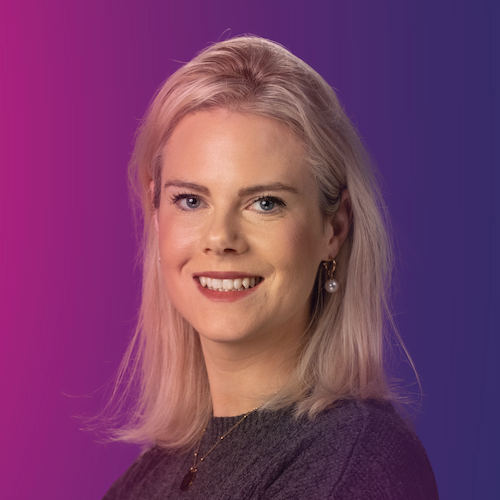
For decades, breastfeeding has been one of the most vital yet least quantified aspects of human health. Mothers have been forced to rely on "best guesses" while researchers faced a global data void regarding what a "normal" supply actually looks like. Coroflo is changing that. By merging medical-grade technology with everyday usability, Coroflo is moving beyond guesswork to provide mothers with the accurate, real-time information they need to reach their feeding goals. This presentation explores how Coroflo’s patented flow-measurement technology is not only empowering individual journeys but is also fueling global research groups to finally establish a foundational baseline for breastfeeding science.
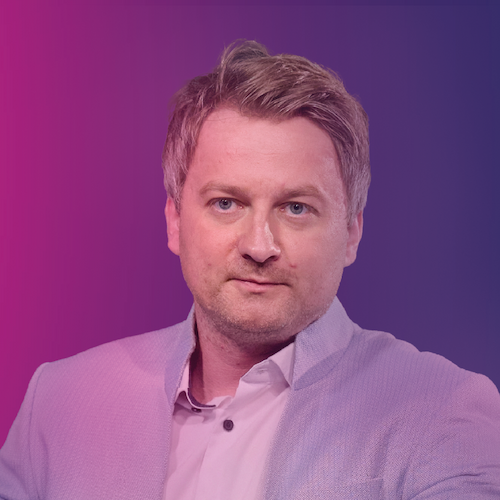
The idea of a “sentient” machine sounds strange to many of us, but it is already on the threshold of our everyday lives. Can emotions such as compassion or joy even be algorithmized? What happens when machines are able not only to recognize human emotions, but also to respond to them empathetically?

QuantumAI in Life Science


Moderator
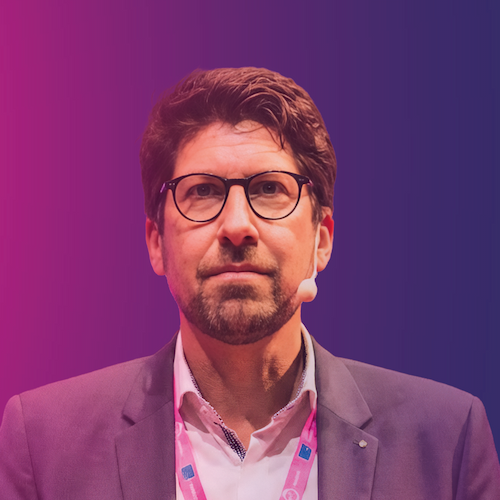
The healthcare sector is undergoing a fundamental transformation driven by digitalization, workforce challenges, and rising expectations for more efficient, patient‑centered care. Building the Smart Hospital of the future requires more than technology—it demands strong, trust‑based collaboration between clinical partners, industry, and innovative startups. In this joint presentation, Siemens and Kantonsspital Baden (KSB) showcase how such a collaborative ecosystem accelerates real‑world innovation.

Moderator
Moderator
TBA
.png)
A fast‑paced conversation with founders, investors, and shapers on what’s really working in digital diagnostics, AI‑enabled care, and techbio—and what isn’t. Spotlight on POWHER Award winners translating bold ideas into measurable patient and system impact.


Panelist

Panelist
Facilitator
Facilitator

This masterclass will explore how clinical decision-making algorithms are applied in real-world healthcare settings. Experts from leading organizations in Germany will share first-hand experiences on implementing and using algorithms to support clinical decisions, highlighting both impact and practical challenges.
The promise of AI in healthcare hinges on a digital backbone that transforms hospitals from data silos into intelligent ecosystems. This session brings together leaders to discuss the operational blueprints and financial strategies essential for Switzerland’s AI-ready future. Join us alongside global leaders and featured speakers to explore the investments required to turn clinical data into life-saving intelligence.

Implementing "Lab-in-the-Loop" for drug discovery faces scientific, engineering, and cultural hurdles, requiring a seamless 'bits and atoms' integration. Panelists will debate the maturity of closed-loop discovery, unpacking real-world lessons, bottlenecks in automation and data, and charting a path for adoption.
The promise of AI in healthcare hinges on a digital backbone that transforms hospitals from data silos into intelligent ecosystems. This session brings together leaders to discuss the operational blueprints and financial strategies essential for Switzerland’s AI-ready future. Join us alongside global leaders and featured speakers to explore the investments required to turn clinical data into life-saving intelligence.
Hospitals run countless innovation pilots, yet very few ever scale. The barrier is rarely the technology—it’s procurement, governance, and risk management. This session brings together hospital leaders, an innovation procurement expert, and a startup to explore how innovation procurement tools can bridge the gap between piloting and buying. Attendees will gain practical insights into creating smarter pathways for real, scalable adoption of digital health solutions.

Clinical trials are a critical constraint in global drug development, consuming over half of total R&D costs and stretching timelines by years. The tools to change this already exist. AI-powered design, digital recruitment, and decentralised trial platforms have proven they can shorten timelines, expand inclusion, and improve success rates. Unlocking faster, smarter, and more inclusive trials will require targeted investment, regulatory alignment, and bold collaboration between pharma, investors, and digital innovators.
This session will explore participatory approaches in assistive robotics across research, education, technology transfer, and dialogue with society, including initiatives such as the Medical Engineering course in the Bachelor of Human Medicine at ETH Zurich and the CYBATHLON. The presentation is jointly delivered by Professor Roger Gassert, who directs the Rehabilitation Engineering Laboratory at ETH Zurich, and Werner Witschi, an experienced speaker and a paraplegic. We will highlight how we engage with individuals with disabilities actively to develop technology at every step of the process, and how the teaching curriculum involves them early on to ensure students are exposed to the realities of living with a disability. We will discuss associated challenges and draw on first-hand experience from various projects, including the development of, training with, and research on a lower-limb exoskeleton that participated in the CYBATHLON 2016.

Panelist

In an era of exponential scientific output, researchers face a mounting challenge: the “Breadth-Depth Dilemma.” Staying current with global literature across intersecting disciplines while maintaining deep, niche expertise has become a human impossibility. Because major breakthroughs increasingly occur at the crossroads of fields - such as microbiology and genetics for example - the cognitive load required to bridge these domains has become a critical bottleneck in R&D.

Keepc-AI-ring: Futureproofing Health and Care Systems Safeguarding Health Care Workers in Hospital SettingsHealthcare systems are under growing strain as workforce shortages, burnout, and psychological stress impair quality of care and patient safety. This keynote presents KEEPCARING, a Horizon Europe-funded initiative focused on strengthening the well-being and resilience of surgical teams through responsible, human-centred technology.
Digital endpoints—from wearable sensors and mobile apps to connected home devices—are transforming how we measure outcomes in clinical trials, offering higher-frequency, real-world, and patient-centered data. Translating these novel measures into reliable, regulatory-acceptable endpoints requires an integrated approach spanning scientific rationale, device and algorithm qualification, data integrity, patient engagement, and operational execution. The presentation and panel will provide pragmatic, actionable guidance for designing, validating, and delivering digital endpoints in clinical trials, drawing on real-world examples and lessons learned.

The EU's Data Act and AI Act are reshaping digital health regulation. This masterclass will explore the practical implications of these frameworks, examining where compliance introduces friction versus strategic opportunities. Learn what healthcare organizations should do now to prepare for data access, interoperability, and trustworthy AI.
Guest
This masterclass will explore how clinical decision-making algorithms are applied in real-world healthcare settings. Experts from leading organizations in Germany will share first-hand experiences on implementing and using algorithms to support clinical decisions, highlighting both impact and practical challenges.
Stage Host

In the rapidly evolving health tech landscape, transitioning from a startup to a scaleup is a pivotal moment filled with both exhilarating opportunities and formidable challenges. This masterclass gathers seasoned founders who have successfully navigated this journey, sharing invaluable insights and lessons learned along the way. Participants will explore key strategies for scaling operations, securing funding, and building resilient teams. Real-world case studies will highlight adaptive leadership, innovation, and market positioning, providing actionable takeaways for entrepreneurs at all stages. Join us to unlock the secrets of scaling health tech ventures and to gain perspective from those who have turned ambitious visions into thriving realities.
This session presents the necessary shift in healthcare, from one-size-fits-all approaches to personalized, risk-based medicine. We are entering an era where diseases can be predicted years before symptoms appear, enabling early action and often prevention. This transformation affects the entire care ecosystem: health organizations can allocate resources more effectively, clinicians can focus on maintaining health rather than just treating illness, and patients can take an active role in their own care. The goal is genuine healthcare, anticipating and reducing risk before disease develops.

Access to affordable medicines is one of the most pressing challenges facing healthcare systems today. Rising costs, demographic change, fragile supply chains, and growing system pressures are placing significant strain on patients, payers, and providers, while the need for innovation in life saving and essential medicines continues to grow.
This masterclass will explore how clinical decision-making algorithms are applied in real-world healthcare settings. Experts from leading organizations in Germany will share first-hand experiences on implementing and using algorithms to support clinical decisions, highlighting both impact and practical challenges.
Implementing "Lab-in-the-Loop" for drug discovery faces scientific, engineering, and cultural hurdles, requiring a seamless 'bits and atoms' integration. Panelists will debate the maturity of closed-loop discovery, unpacking real-world lessons, bottlenecks in automation and data, and charting a path for adoption.

Our healthcare system is fundamentally broken — it reacts instead of preventing. We run tests, wait for lab results, and start treatment once the disease has already progressed. This reactive model leaves patients and doctors constantly one step behind. But what if we could act before illness takes hold? What if our bodies could tell us when something is going wrong — and we actually listened?

Benefit–risk assessment (BRA) sits at the core of drug development, regulatory decision-making, and pharmacovigilance. Yet today, BRA remains largely retrospective and fragmented, relying on static analyses of heterogeneous evidence that struggle to capture causality, uncertainty, and the dynamic nature of clinical outcomes. This talk introduces a new paradigm: Medical World Models as a foundational layer for next-generation benefit–risk assessment.
The promise of AI in healthcare hinges on a digital backbone that transforms hospitals from data silos into intelligent ecosystems. This session brings together leaders to discuss the operational blueprints and financial strategies essential for Switzerland’s AI-ready future. Join us alongside global leaders and featured speakers to explore the investments required to turn clinical data into life-saving intelligence.
The promise of AI in healthcare hinges on a digital backbone that transforms hospitals from data silos into intelligent ecosystems. This session brings together leaders to discuss the operational blueprints and financial strategies essential for Switzerland’s AI-ready future. Join us alongside global leaders and featured speakers to explore the investments required to turn clinical data into life-saving intelligence.

The EU's Data Act and AI Act are reshaping digital health regulation. This masterclass will explore the practical implications of these frameworks, examining where compliance introduces friction versus strategic opportunities. Learn what healthcare organizations should do now to prepare for data access, interoperability, and trustworthy AI.
In vitro fertilization is one of the most technologically advanced areas of medicine, yet for healthcare professionals delivering IVF care, everyday work can feel outdated. Fragmented systems, manual coordination, duplicated documentation, and constant interruptions create operational friction that slows decisions, increases cognitive load, and pulls clinicians away from patients.
As technology advances, the use of consumer health data in personal wellness practices raises important questions about our relationship with health. This panel examines the dual nature of health technology: while it empowers informed decision-making and proactive health management, it can also foster an obsession with metrics that may affect mental well-being. Experts will discuss the implications of quantified self-movements, data privacy, and the psychological effects of constant monitoring. Learn to balance the benefits of health data with the risks of overemphasis on achievement, striving for a healthier, more holistic approach to personal care. Join us as we explore whether our pursuit of health enhances well-being or simply fuels fixation on data.
A multidisciplinary masterclass exploring UX as a clinical, emotional, and systemic success factor, showing how human-centered design, clinician psychology, and engagement frameworks drive adoption, safety, and sustainable impact in digital healthcare.

Algorithms are already shaping some clinical decisions, from diagnostics to risk stratification. But what if, in the future, algorithms went further, for example, deciding treatment plans and prescriptions themselves?

This masterclass will explore how clinical decision-making algorithms are applied in real-world healthcare settings. Experts from leading organizations in Germany will share first-hand experiences on implementing and using algorithms to support clinical decisions, highlighting both impact and practical challenges.
Most diseases are detected too late not because technology is missing, but because healthcare is designed to react. While AI can already identify early, actionable signals of disease, this intelligence remains largely unused. This keynote challenges the “Sick-Care” status quo and shows how AI-driven diagnostics can enable prevention at scale—if leaders make the right system, data, and investment decisions now.

Hospitals run countless innovation pilots, yet very few ever scale. The barrier is rarely the technology—it’s procurement, governance, and risk management. This session brings together hospital leaders, an innovation procurement expert, and a startup to explore how innovation procurement tools can bridge the gap between piloting and buying. Attendees will gain practical insights into creating smarter pathways for real, scalable adoption of digital health solutions.


Hospitals run countless innovation pilots, yet very few ever scale. The barrier is rarely the technology—it’s procurement, governance, and risk management. This session brings together hospital leaders, an innovation procurement expert, and a startup to explore how innovation procurement tools can bridge the gap between piloting and buying. Attendees will gain practical insights into creating smarter pathways for real, scalable adoption of digital health solutions.
Hospitals run countless innovation pilots, yet very few ever scale. The barrier is rarely the technology—it’s procurement, governance, and risk management. This session brings together hospital leaders, an innovation procurement expert, and a startup to explore how innovation procurement tools can bridge the gap between piloting and buying. Attendees will gain practical insights into creating smarter pathways for real, scalable adoption of digital health solutions.

Faces of Digital Health Podcast - Ask the Expert
Impulse Podcast - Fireside Chat
In an era of ecological dysregulation, the traditional biomedical model—focused on individual pathology—is insufficient. This presentation introduces Planetary Salutogenesis, a paradigm shift that scales health promotion from the individual to the biosphere. Currently being actively developed at Charité Berlin, Planetary Salutogenesis posits that durable human health is contingent upon a healthy planet. The framework moves beyond "sick care" to actively cultivate a "Sense of Coherence" by treating the planetary environment as a primary determinant of individual vitality. By integrating traditional medical wisdom with high-tech research, Planetary Salutogenesis addresses systemic health needs through preventative and restorative practices, often drawn from a vast compendium of traditional, complementary and integrative medical practices. This presentation will outline the intellectual framework for Planetary Salutogenesis, bridging health care economics and planetary governance to move medicine toward a proactive, "all-of-planet" view that fosters resilience for humans and non-humans alike.

Most strategic transactions don’t fail at signing. They fail at execution.
Acquisitions, partnerships, and exits often look flawless on paper — yet value erodes once governance shifts, incentives misalign, and decision-making slows down. These risks are usually visible before the deal is signed, but rarely addressed openly.
This roundtable brings together startup CEOs nearing a strategic transaction and experienced M&A professionals from pharma, diagnostics, and digital health to have an honest, execution-first conversation.
We will examine where deals actually break, what founders tend to underestimate about power and control shifts, and what acquirers already know will be hard to execute — but sign anyway.
We will have a candid exchange on how to prevent value destruction between signing and integration.
Hosted by Valérie Hepp, founder of Breakline Resolution, specialising in execution risk, high-stakes negotiation, and conflict resolution in strategic life-sciences transactions.


A multidisciplinary masterclass exploring UX as a clinical, emotional, and systemic success factor, showing how human-centered design, clinician psychology, and engagement frameworks drive adoption, safety, and sustainable impact in digital healthcare.

This masterclass will explore how clinical decision-making algorithms are applied in real-world healthcare settings. Experts from leading organizations in Germany will share first-hand experiences on implementing, and using algorithms to support clinical decisions, highlighting both impact and practical challenges.

In the rapidly evolving health tech landscape, transitioning from a startup to a scaleup is a pivotal moment filled with both exhilarating opportunities and formidable challenges. This masterclass gathers seasoned founders who have successfully navigated this journey, sharing invaluable insights and lessons learned along the way. Participants will explore key strategies for scaling operations, securing funding, and building resilient teams. Real-world case studies will highlight adaptive leadership, innovation, and market positioning, providing actionable takeaways for entrepreneurs at all stages. Join us to unlock the secrets of scaling health tech ventures and to gain perspective from those who have turned ambitious visions into thriving realities.

Facilitator
Facilitator


In an era of ecological dysregulation, the traditional biomedical model—focused on individual pathology—is insufficient. This presentation introduces Planetary Salutogenesis, a paradigm shift that scales health promotion from the individual to the biosphere. Currently being actively developed at Charité Berlin, Planetary Salutogenesis posits that durable human health is contingent upon a healthy planet. The framework moves beyond "sick care" to actively cultivate a "Sense of Coherence" by treating the planetary environment as a primary determinant of individual vitality. By integrating traditional medical wisdom with high-tech research, Planetary Salutogenesis addresses systemic health needs through preventative and restorative practices, often drawn from a vast compendium of traditional, complementary and integrative medical practices. This presentation will outline the intellectual framework for Planetary Salutogenesis, bridging health care economics and planetary governance to move medicine toward a proactive, "all-of-planet" view that fosters resilience for humans and non-humans alike.

The future of health tech isn't just about code, it's about human rights. It's about justice. It's about ensuring innovation serves all.

Moderator
Panelist

As the first AI-enabled Clinical Decision Support Systems (CDSS) are released (such as the ASCO Guidelines Assistant), clinical evaluation of these tools becomes more and more important. While researchers have proven that LLM-based agents can navigate complex diagnostic pathways, their deployment is still hindered by an "evaluation gap." Traditional benchmarks often rely on simplistic datasets such as medical exams that fail to reflect the complexity of real-world medicine.

Moderator
In an era where technology reshapes healthcare delivery, this panel brings together innovation leads from the world's most future-focused hospitals. These experts will share their insights on designing digital infrastructures that prioritize patient care while addressing societal health needs. Topics will include leveraging data analytics for personalized medicine, implementing telehealth solutions to enhance accessibility, and creating collaborative ecosystems that engage patients in their own care. Attendees will gain a deeper understanding of how to integrate cutting-edge technologies with human-centric approaches, fostering hospitals that not only heal but also enrich the communities they serve. Join us for an engaging discussion on the transformative power of digital design in healthcare.
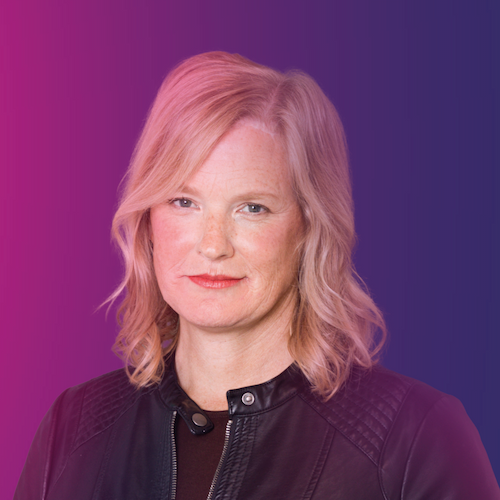
For years, the narrative of Artificial Intelligence has been one of replacement. But in the front lines of high-stakes research and innovation, a more profound reality is emerging: the smartest thing on the planet isn't a machine—it’s a Hybrid Collective Intelligence (HI).

How health policy implementation and the secondary use of health data can support preventive care, highlighting the need for a consolidated European digital health purchasing model to ensure innovation succeeds in Europe
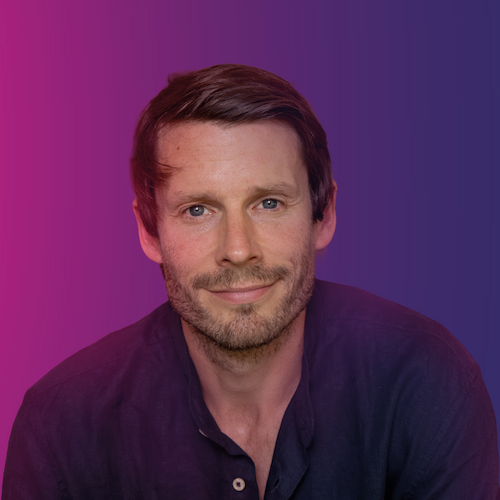
In the rapidly evolving health tech landscape, transitioning from a startup to a scaleup is a pivotal moment filled with both exhilarating opportunities and formidable challenges. This masterclass gathers seasoned founders who have successfully navigated this journey, sharing invaluable insights and lessons learned along the way. Participants will explore key strategies for scaling operations, securing funding, and building resilient teams. Real-world case studies will highlight adaptive leadership, innovation, and market positioning, providing actionable takeaways for entrepreneurs at all stages. Join us to unlock the secrets of scaling health tech ventures and to gain perspective from those who have turned ambitious visions into thriving realities.
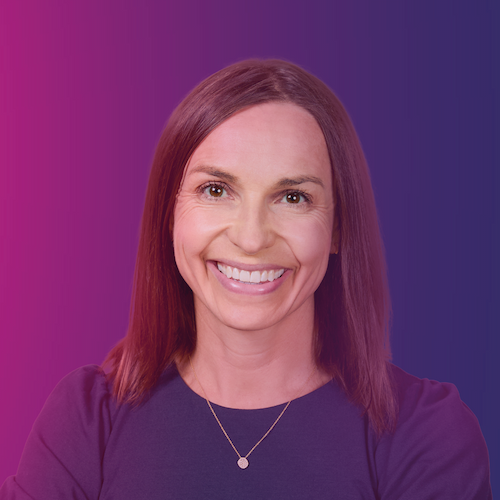
This session brings together Weight Watchers and Novo Nordisk to examine what sustainable weight loss truly requires in the era of GLP-1s. While these medications represent a major scientific breakthrough and can drive substantial weight loss, evidence increasingly shows they are not sufficient on their own to deliver lasting health outcomes.
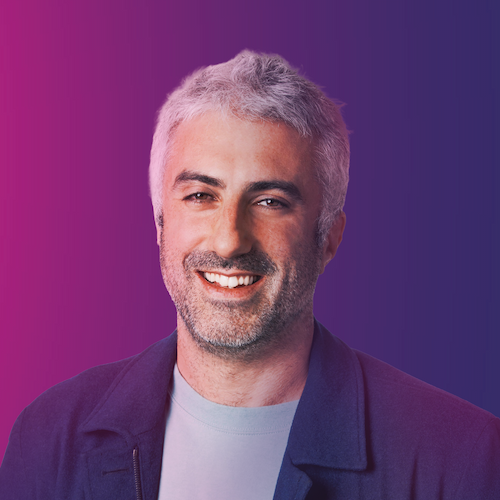
TBA
Today, all corporates leverage startups as part of their innovation processes. Many leverage innovation hubs or accelerator programs to evaluate startups and establish first pilot projects. Despite this structured process, a large percentage of follow-up engagements between corporates and startups do not lead to the desired business impact on both sides. What are the reasons and how can we improve the success rate? What are best practices for value exchange and how can we apply these to new areas like digital health or AI?
Today, all corporates leverage startups as part of their innovation processes. Many leverage innovation hubs or accelerator programs to evaluate startups and establish first pilot projects. Despite this structured process, a large percentage of follow-up engagements between corporates and startups do not lead to the desired business impact on both sides. What are the reasons and how can we improve the success rate? What are best practices for value exchange and how can we apply these to new areas like digital health or AI?
Today, all corporates leverage startups as part of their innovation processes. Many leverage innovation hubs or accelerator programs to evaluate startups and establish first pilot projects. Despite this structured process, a large percentage of follow-up engagements between corporates and startups do not lead to the desired business impact on both sides. What are the reasons and how can we improve the success rate? What are best practices for value exchange and how can we apply these to new areas like digital health or AI?
Stage host - Women's health session

Endometriosis affects around one in ten women, yet diagnosis often takes many years, leading to pain, infertility, repeated consultations and delayed treatment. A key barrier is that high-quality transvaginal ultrasound relies on a small number of highly trained experts, which creates variability between centers, regions and individual operators.

We’ve spent decades coding smarter technologies to monitor the human body - yet we’ve overlooked the operating system that runs it all: our emotions. Emotional fitness is the missing code in modern health - the capacity to regulate, process, and realign our inner states before they crash our system. In this talk, I explore how emotional intelligence and regulating skills can become the next frontier of preventive medicine - and how emotion-aware technologies and cultures could help us build humans who are not only healthier, but truly thriving.

We stand at the dawn of a new biology - one that opens the black box of early human development and turns its secrets into scalable assets, redefining success in reproductive medicine and beyond.
dawn-bio's human stem-cell based platform technology illuminates a stage of life we’ve never been able to study before, offering a new foundation for breakthroughs in women’s health and preventive prenatal medicine. Its first application is an IVF solution designed to increase take home baby rate in IVF, because 20% and no improvement in 20 years is not good enough. And that is just the beginning, the platforms true potential reaches far further.
In this session, Dr. Peter Greiner shares how this new biology changes the future of human reproduction and enables bright beginnings for future generations.

Trust is the foundation of every health decision - it determines whether consumers believe a product, a treatment, or a brand can truly improve their wellbeing. Yet in today’s crowded digital landscape, credible health communication is harder than ever to navigate. As the Founder & CEO of 𝐇𝐞𝐚𝐥𝐭𝐡𝐅𝐥𝐮𝐞𝐧𝐜𝐞𝐫, I will share how we are building an 𝐀𝐈-𝐩𝐨𝐰𝐞𝐫𝐞𝐝 𝐞𝐜𝐨𝐬𝐲𝐬𝐭𝐞𝐦 𝐨𝐟 𝐭𝐫𝐮𝐬𝐭𝐞𝐝 𝐡𝐞𝐚𝐥𝐭𝐡 𝐦𝐢𝐧𝐝𝐬 to restore credibility and authenticity in the $20B+ health and wellness creator economy.
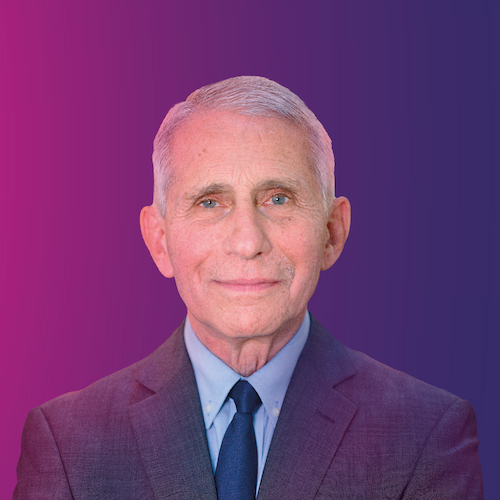
Dr. Anthony Fauci is one of the most influential figures in modern public health. Over a career spanning more than 50 years, he served as Director of the National Institute of Allergy and Infectious Diseases (NIAID) for 38 years and acted as a trusted advisor to seven U.S. presidents, helping lead global responses to HIV/AIDS, Ebola, Zika, and COVID-19.
Widely respected for his scientific integrity and human-centred leadership, Dr. Anthony Fauci played a key role in shaping global health policy, including as a principal architect of PEPFAR, which has helped save more than 25 million lives worldwide.
Dr. Anthony Fauci will share insights on leadership, science, and preparing health systems for future global challenges and will reply to questions from the audience.
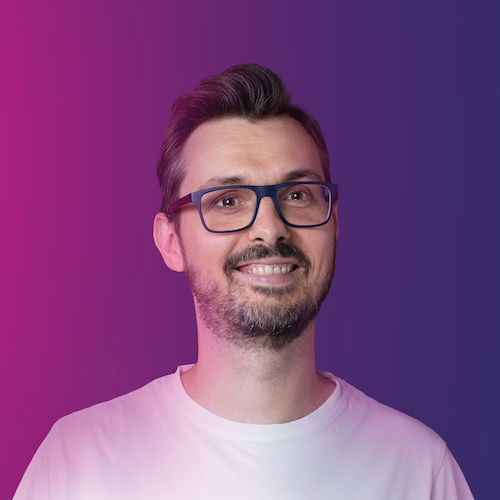
Beyond the Prescription: How Digital Tools Can (and Can’t) Support Pharmacists OR The Right Digital Prescription: What Actually Helps Pharmacists — and What Doesn’t

This 90-minute workshop teaches participants how to develop and market a digital therapeutic (DTx) from concept to completion. Designed for decision-makers in Digital Health, Medtech, Pharma, and startups, it covers DTx definitions, regulatory frameworks, and reimbursement pathways in Germany, including the DiGA process.
Participants will work in small groups on fictional or real DTx ideas, guided by experts through essential steps such as purpose definition, regulatory strategy, reimbursement planning, data security, and clinical evidence collection. They’ll also learn to design studies demonstrating positive healthcare effects.
The session concludes with group presentations and an open discussion on challenges encountered. Participants will leave with practical tools and resources for their projects.
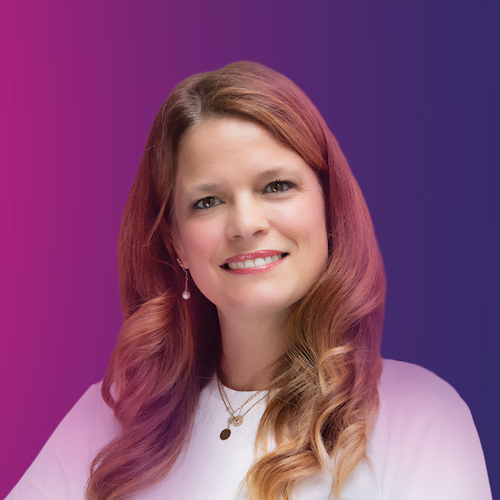
Preparing Nurses for Accelerating Technologies: Building Digital Literacy for the Future of Care
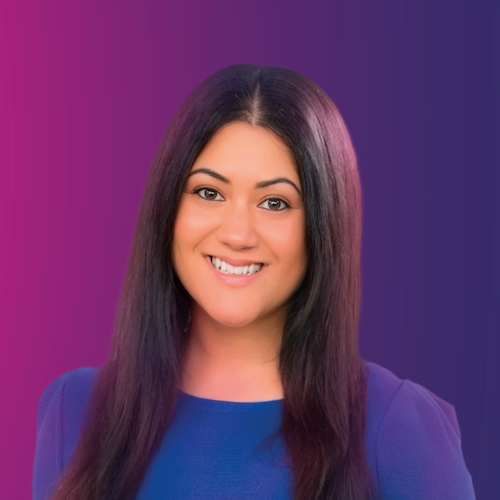
Digital health is no longer peripheral to healthcare – it’s how care gets delivered. From patient flow to decision support, the systems we build and use have become the mechanism of modern care itself. But while the pace of digital innovation in healthcare has never been faster, keeping those innovations safe, sustainable, and truly useful remains one of our biggest challenges.
.png)
“Proximity Drives Belief...
…and Belief allows us to hear and internalize stories that are difficult…
Stories that help us see, that what we’ve worked on for years, still isn’t good enough.
Yet stories that can convict us to push further” ~ Joseph Isosaki

The overall HealthTech market is one of the fastest-growing sectors globally, driven by technological advancements (especially AI and digital solutions), the burden of chronic diseases, and a shift toward patient-centric and value-based care.

.png)
Bringing precision health to the real world: How AI can redesign health access at scale

'How to guide' - planning for digital endpoints and why they are needed

Remote Care in Action: Lessons from the Nordics and Canada
In the rapidly evolving health tech landscape, transitioning from a startup to a scaleup is a pivotal moment filled with both exhilarating opportunities and formidable challenges. This masterclass gathers seasoned founders who have successfully navigated this journey, sharing invaluable insights and lessons learned along the way. Participants will explore key strategies for scaling operations, securing funding, and building resilient teams. Real-world case studies will highlight adaptive leadership, innovation, and market positioning, providing actionable takeaways for entrepreneurs at all stages. Join us to unlock the secrets of scaling health tech ventures and to gain perspective from those who have turned ambitious visions into thriving realities.


Remote Care in Action: Lessons from the Nordics and Canada


Healthcare is evolving at a pace that often exceeds the capacity of the people delivering it. New technologies, shifting priorities, and constant pressures on services create an overload that slows adoption and drains momentum.
Personal and Preventative Care


Traditionally, assessing a patient’s health has relied on "snapshots"—infrequent, subjective clinic visits that don't always capture the full picture of a disease. Digital biomarkers change the game. By using sensors in smartphones and wearables, we can now capture objective, continuous data from a patient’s daily life—measuring things like walking patterns in Parkinson’s or sleep quality in depression with unprecedented precision.

For a century, cardiovascular care has relied on invasive tests and late-stage interventions. But what if the next century could be defined by something as simple as the human voice? Subtle changes in speech can reveal early signs of heart disease weeks before hospitalization, offering a window for timely intervention.
Oral dryness, or xerostomia, affects a growing share of the population—patients undergoing oncology treatments, those with autoimmune disorders, diabetes, or chronic medication use. Despite its prevalence and significant impact on quality of life, it remains an underestimated public health issue. Xerostomia not only causes local discomfort but can also impair oral flora balance, increase infection risk, and serve as an early indicator of systemic disease.
How AI enabled radiology can map incidental findings that could lead to earlier diagnosis

Healthcare innovation faces steep barriers: regulation, funding, and resistance. H4 observes innovators, clinicians, and patients struggling to implement new solutions. Our analysis advocates genuine alliances between innovators, clinicians, and empowered patients to understand needs. Caregivers also require early innovation training. H4 aims to transform complex innovation into accessible steps, fostering smoother adoption and greater impact through collaboration.
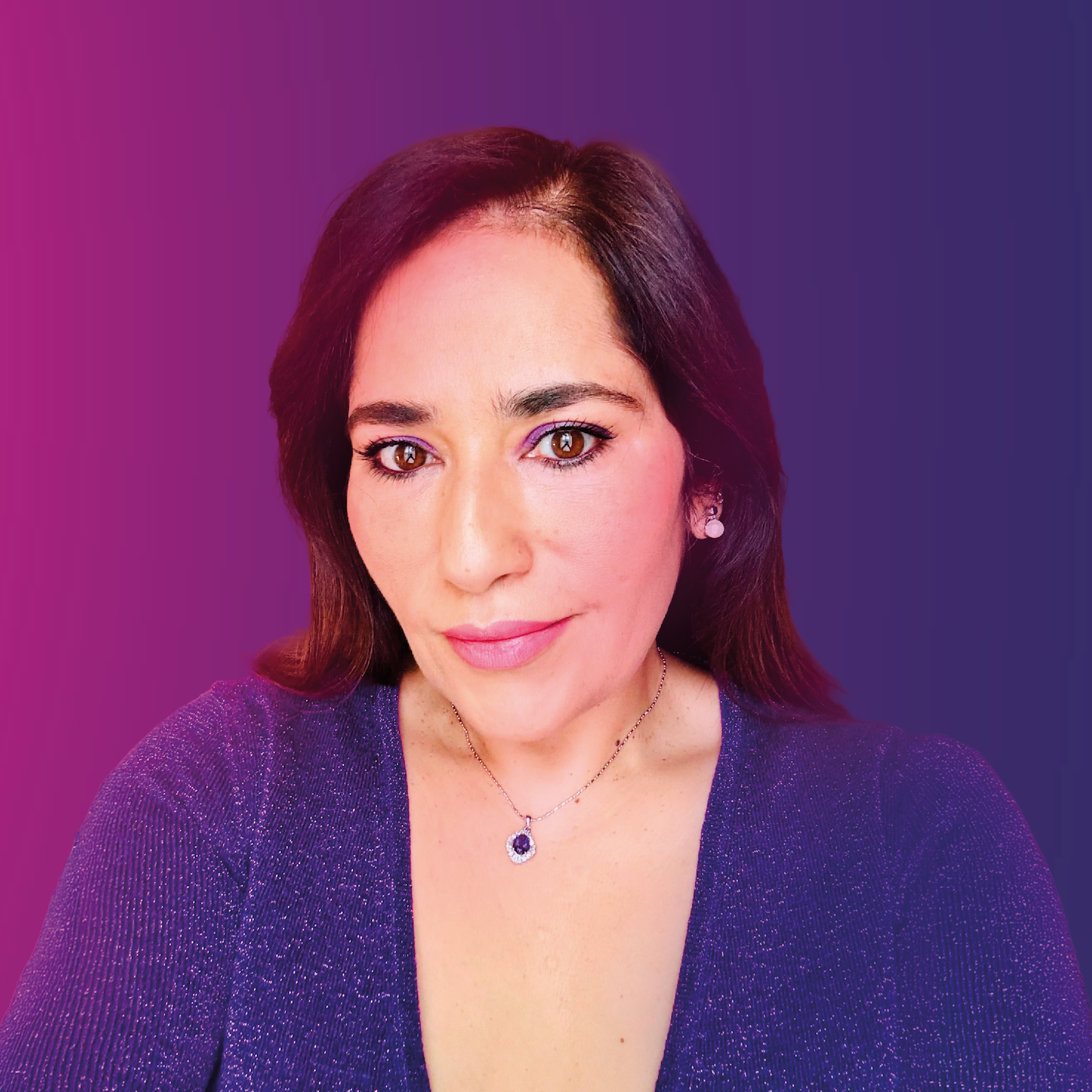
Digital endpoints—from wearable sensors and mobile apps to connected home devices—are transforming how we measure outcomes in clinical trials, offering higher-frequency, real-world, and patient-centered data. Translating these novel measures into reliable, regulatory-acceptable endpoints requires an integrated approach spanning scientific rationale, device and algorithm qualification, data integrity, patient engagement, and operational execution. The presentation and panel will provide pragmatic, actionable guidance for designing, validating, and delivering digital endpoints in clinical trials, drawing on real-world examples and lessons learned.

How do we move the needle on patient engagement in clinical studies, medicine development, during provider visits, as part of healthcare events, etc? Checking in with a patient voice once and then mark the activity as "done" is no longer enough. Patients need a seat at every table that they are the topic of. What can you do to enable this to happen? And what stops you from pulling out a chair for them today?


Modern healthcare faces a dual challenge: rising demand for chronic care and a global shortage of skilled professionals. Fresenius Medical Care’s Home Digital Ecosystem reimagines how technology can transform the first 90 days of therapy—traditionally a period of high dependency—into a foundation for safe, confident, and autonomous care at home.
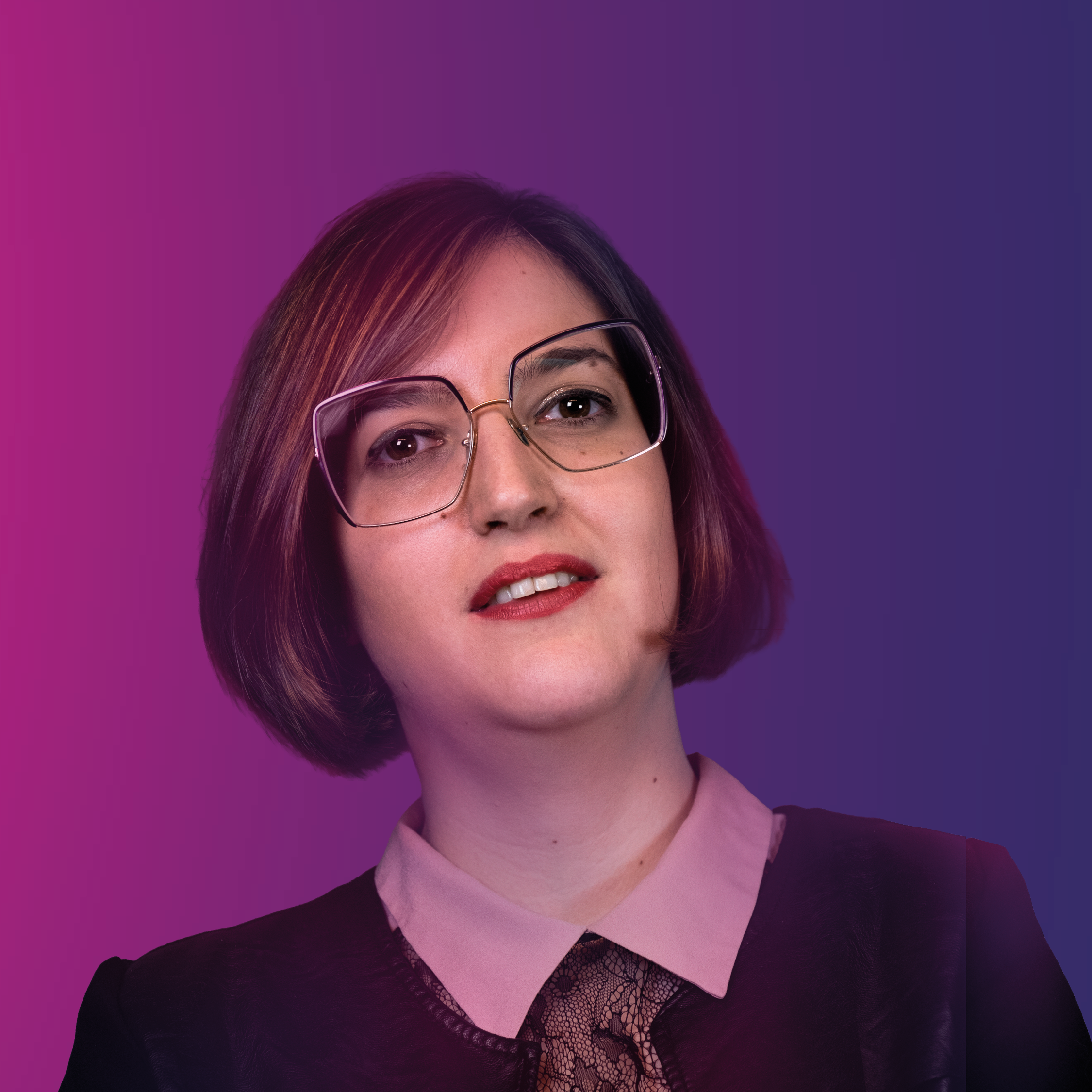
"ChemoBrain" causes significant, under-recognized cognitive impairment in cancer patients. Inspired by personal experience, the Cerebro/BrainBoost digital platform will offer early detection and support for cancer-related cognitive issues through screening, adaptive training, and monitoring. Scalable beyond ChemoBrain to other cognitive vulnerabilities, it champions integrating cognitive health into future oncology care.
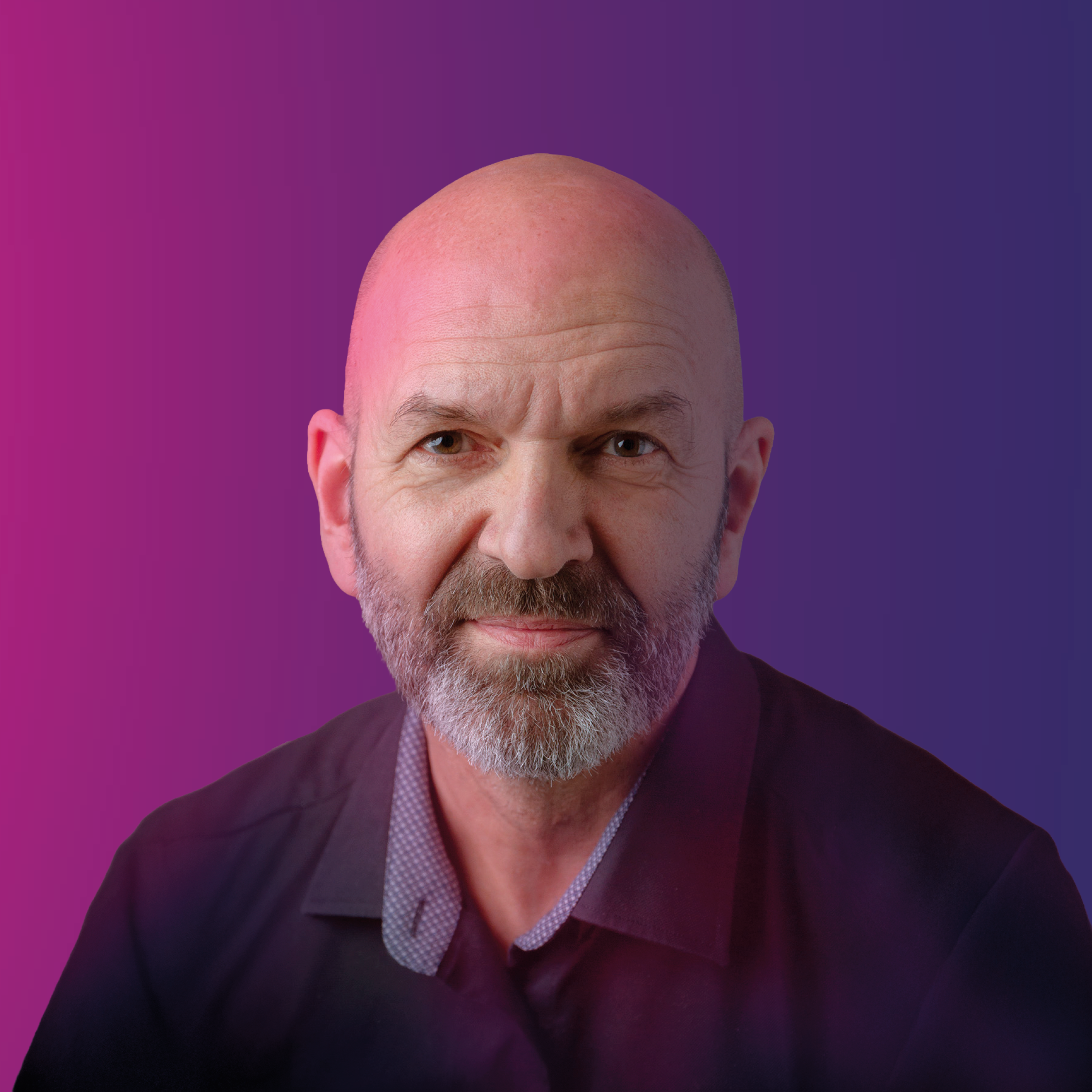
Danish National Healthcare IT relies on OSS for full digitalization, transitioning to OSS platforms for digital autonomy and resilience. This "HealthCloud" offers a chance to efficiently reimplement healthcare systems using mature, license-free services. However, challenges include building expert IT teams, establishing local infrastructure, and creating stable government structures for sustained public-private cooperation beyond political cycles.
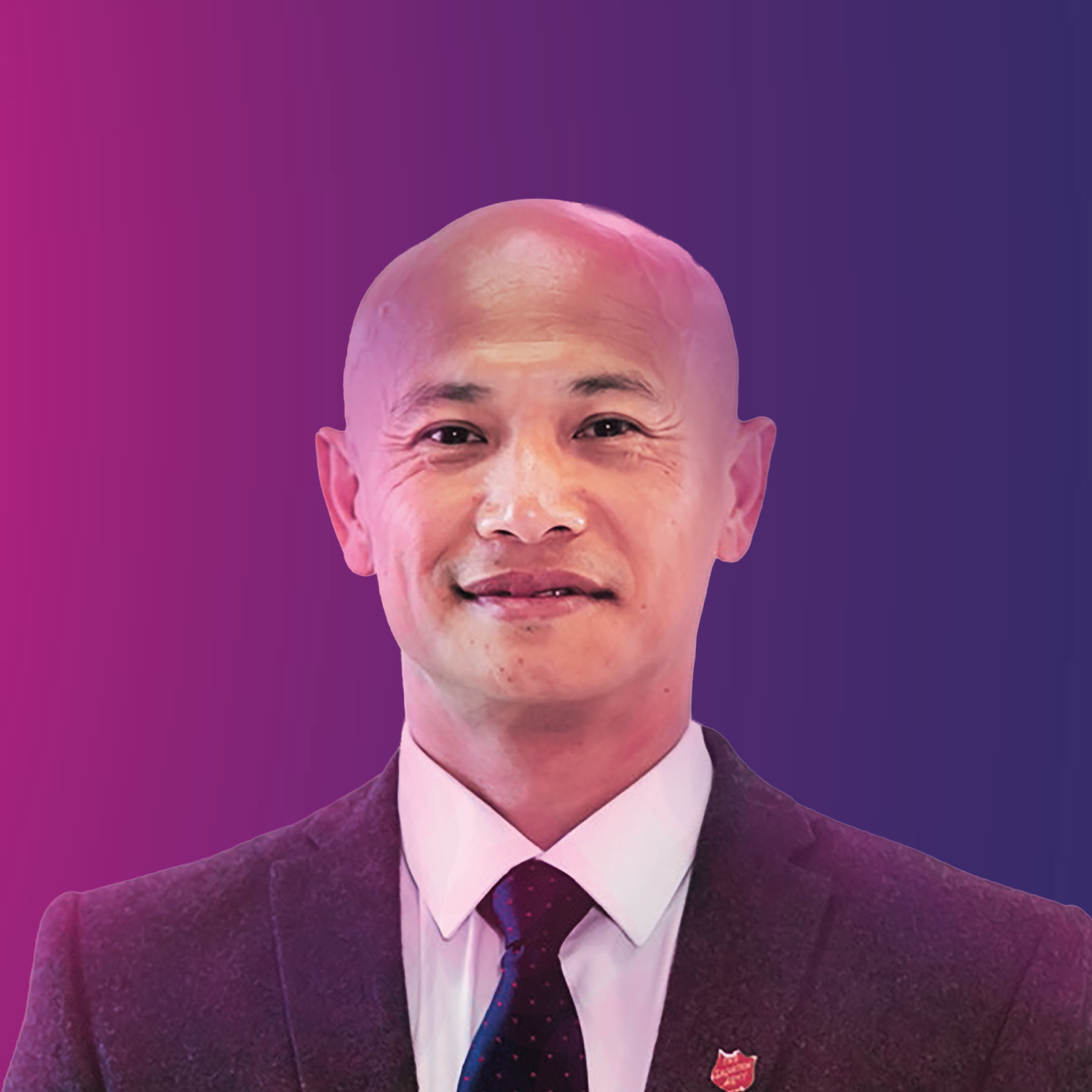
Toronto Grace Health Centre's RCM program is Canada's largest digitally enabled care model, extending capacity and supporting aging in place for nearly 20,000 individuals. Utilizing integrated safety devices and 24/7 monitoring, it uses alert data to inform clinical interventions, reducing ED visits and hospital admissions. This scalable model offers insights for global collaboration, demonstrating technology's role in modernizing homecare and fostering equitable digital health ecosystems.

Rapid EU health and digital regulation generates high strategic uncertainty. This keynote shows how Hybrid AI, specifically SILREAL’s Policy Intelligence AI Agent, transforms fragmented signals into actionable foresight. It delivers early warnings, quantifies regulatory risk, and aids evidence-based decisions. The session provides a practical roadmap for adaptive, data-driven regulatory strategies, enhancing EU health governance and digital infrastructure.
.png)
Recognised worldwide for his pioneering Principia mission with the European Space Agency, Tim Peake made history as the first British astronaut to visit the International Space Station (ISS). During his 186 days in orbit, he conducted over 250 scientific experiments, carried out a spacewalk to repair the ISS’s power supply, and captivated millions through his outreach work promoting science, technology, engineering, and mathematics.
A former Army Air Corps officer and helicopter test pilot, Tim’s career spans a remarkable journey from military operations and flight testing to space exploration and public engagement. His work embodies the spirit of exploration, innovation, and collaboration, values at the core of the health.tech global summit.
At this year’s summit, Tim will deliver an exclusive 20-minute keynote address, followed by an in-depth 40-minute fireside chat, exploring the theme: “Innovation, Human Performance, and the Future of Health in Space and on Earth.”

Many patients unknowingly use medications compromised by heat, transport, and storage degradation—a huge healthcare blind spot leading to waste and treatment failures. Beyond Diagnostics addresses this with real-time, point-of-care tests to verify medication efficacy for patients, clinicians, and caregivers. We provide proof of potency, offering actionable data instead of blind trust. Our initial focus is insulin, critical for over 100 million people. Our universal LUMIQ platform will expand to safeguard other fragile medicines like oncology biologics as they are increasingly used outside clinical settings, introducing a new layer of trust and resilience in global healthcare.
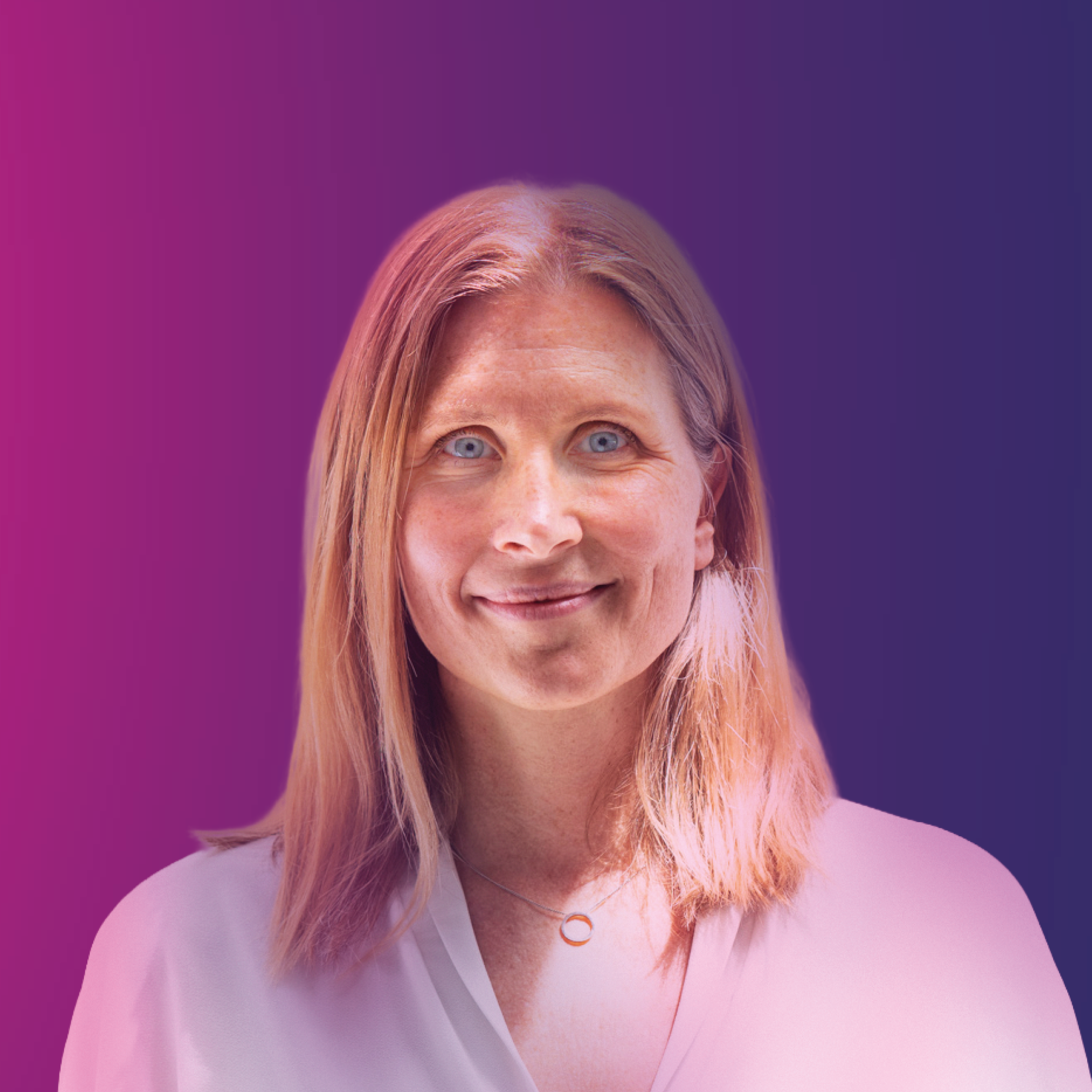
Breast cancer survival rates are drastically lower in LMICs due to late detection; costly, unsuitable screening methods prevail. N23 Health offers an AI solution for early, accessible breast tumor detection. It empowers community healthcare workers to rapidly assess lumps, giving feedback and referring suspicious cases, while others avoid unnecessary costs. A Kenya pilot aims to scale this solution across LMICs, providing a scalable, sustainable pathway to equitable cancer care by lowering costs and reducing specialist reliance.

In partnership with GRTHealth, Toronto Grace Health Centre’s Remote Care Monitoring (RCM) program is one of Canada’s largest digitally enabled care models, designed to extend health system capacity, improve patient safety, and support aging in place. Launched in 2020 with two pilot project clients, the program rapidly expanded to serve nearly 20,000 individuals across Ontario, Prince Edward Island, and British Columbia. Using an integrated suite of safety devices, including falls detection pendants, automated medication dispensers, motion sensors, geofencing technology, and vital signs monitoring, the RCM program connects patients and caregivers to a 24/7 clinical call centre, ensuring real-time monitoring and rapid response to health and safety risks.
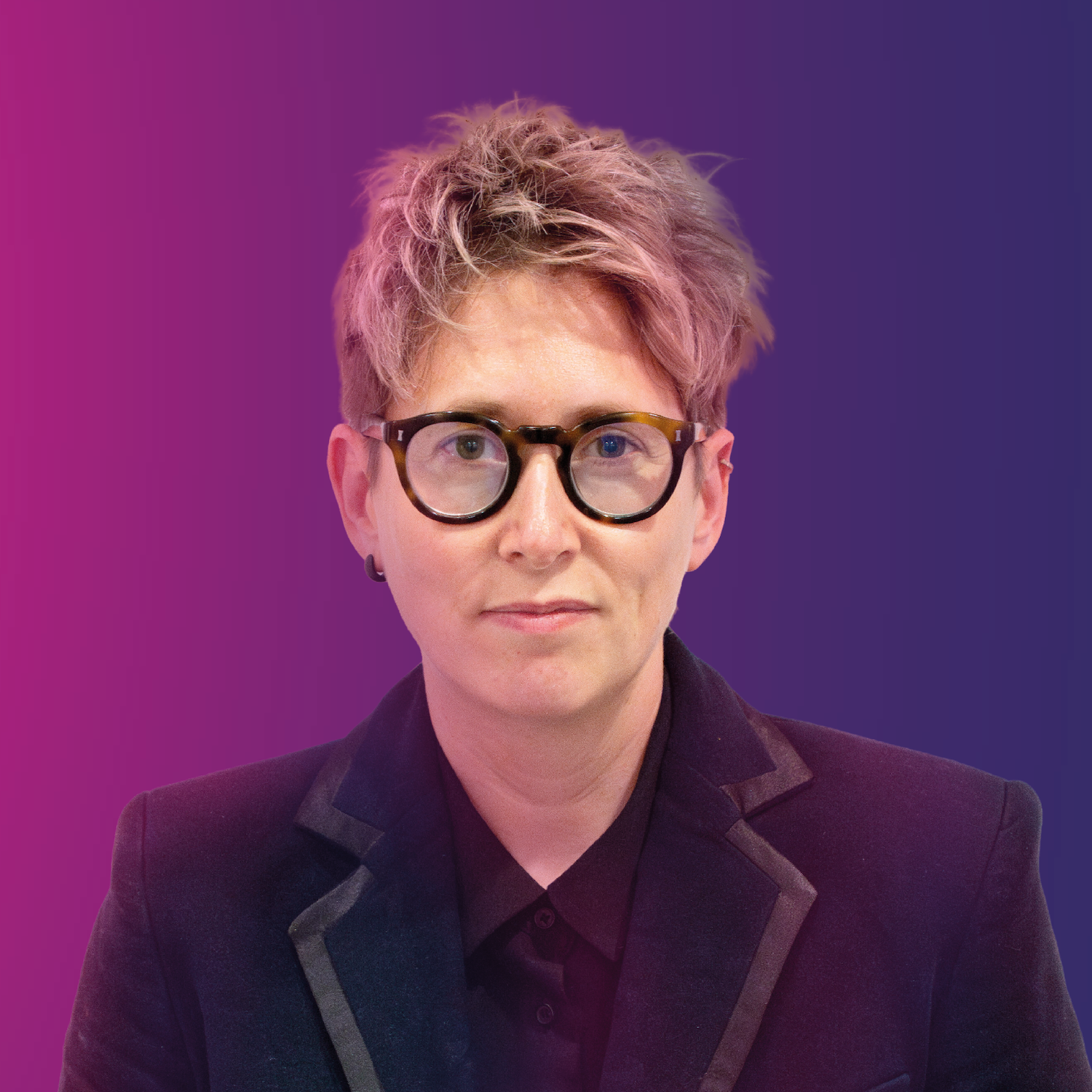
Why trust cannot be engineered and must be earned through meaningful patient partnership and clarity about how data is being used.
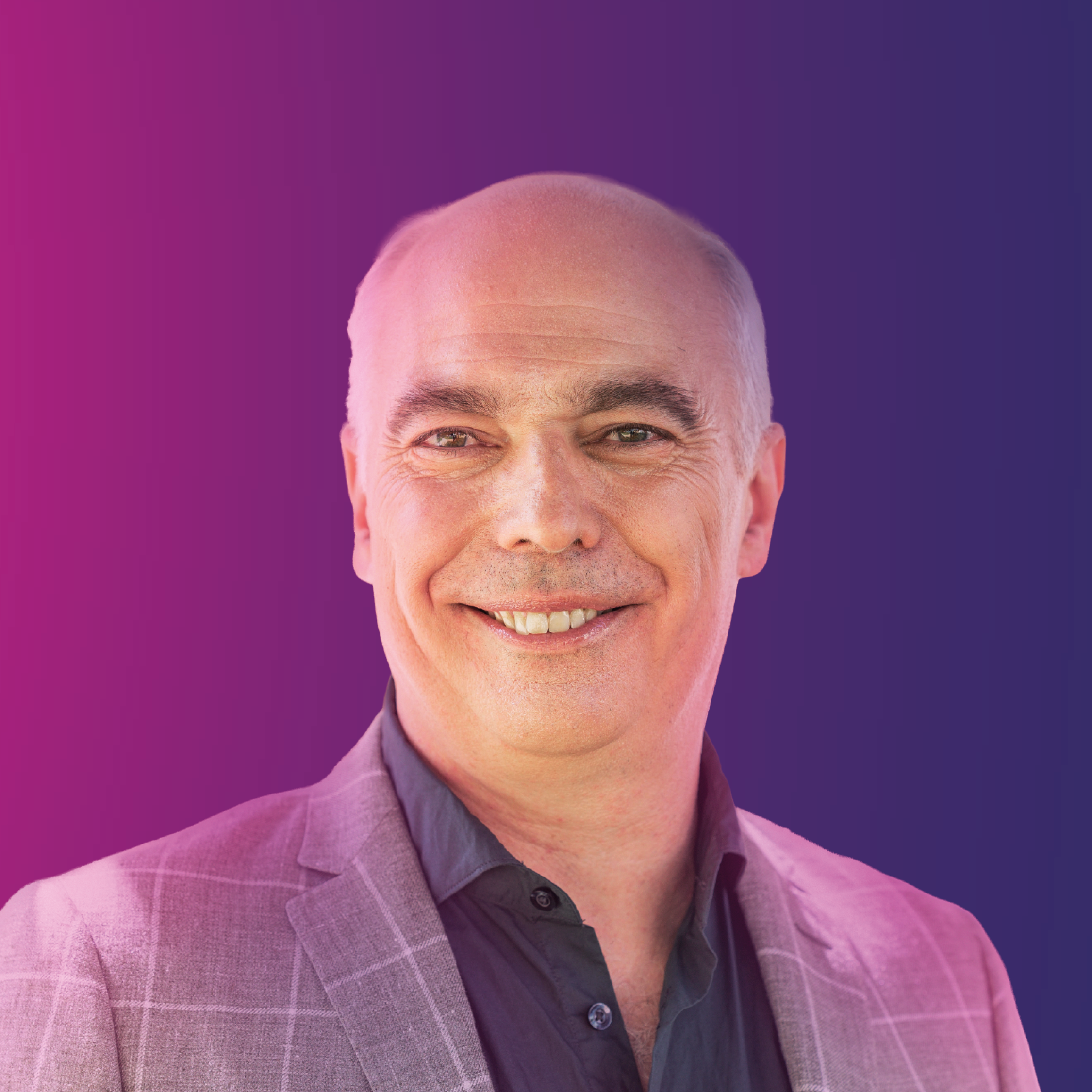
An exploration to take the audience beyond disease prevention, into holistic care and longevity science, and describe how the latest digital tools, AI companions, the power of art & creativity and a new way to deal with personal data, help people to unlock their potential and become epic.

Today, all corporates leverage startups as part of their innovation processes. Many leverage innovation hubs or accelerator programs to evaluate startups and establish first pilot projects. Despite this structured process, a large percentage of follow-up engagements between corporates and startups do not lead to the desired business impact on both sides. What are the reasons and how can we improve the success rate? What are best practices for value exchange and how can we apply these to new areas like digital health or AI?
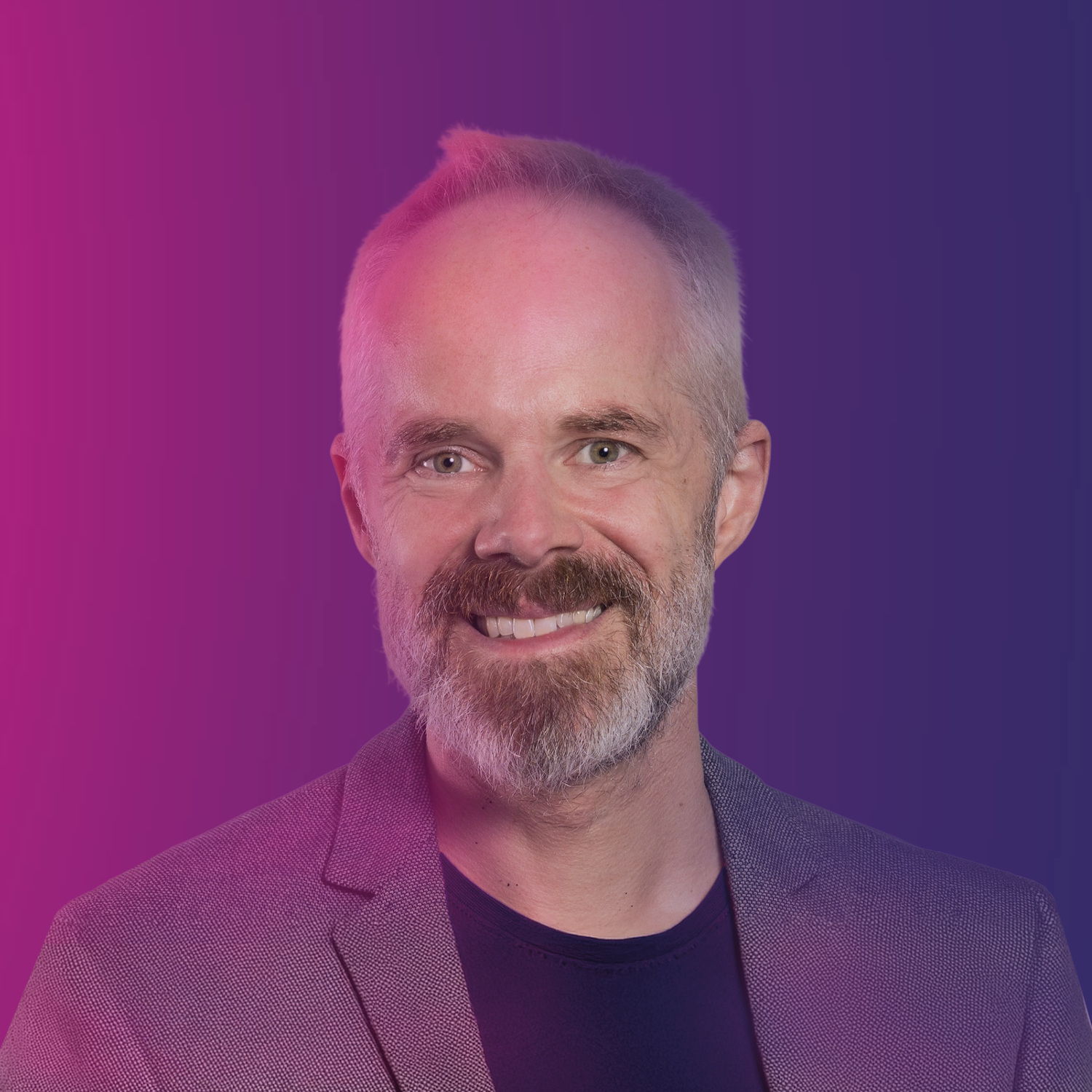
AI, once a domain for deep technical expertise, is now widely accessible, though a thorough understanding remains crucial. This masterclass offers a comprehensive tour of AI, from its historical roots to modern machine learning and advanced AI agents. It's for anyone seeking to demystify AI buzzwords. The class highlights the critical need for quality data before applying AI, empowering you to thoughtfully approach solutions rather than simply "throwing AI" at problems.
Past SPEAKERS


.jpg)


.jpg)


If you’re a health tech expert and want to share your insights, apply to speak at health.tech 2026. Don’t miss the chance to be part of shaping the future of health innovation!


Shape the Future of Healthcare. Together.
2-4 March 2027 | Messe Basel
Secure your ticket